It usually takes a long time to truly understand a person. Most people don’t want to reveal their deep emotions during the first meeting. They prefer to talk about superficial or safe topics, avoid speaking openly about controversial issues, and refrain from discussing their personal feelings. We, too, are used to this behavior. However, when we meet someone who is very open and straightforward, their uninhibited way of speaking can make us feel somewhat uneasy or unsettled. I believe this is an experience we all go through from time to time.
1️⃣ The Illusion of First Impressions
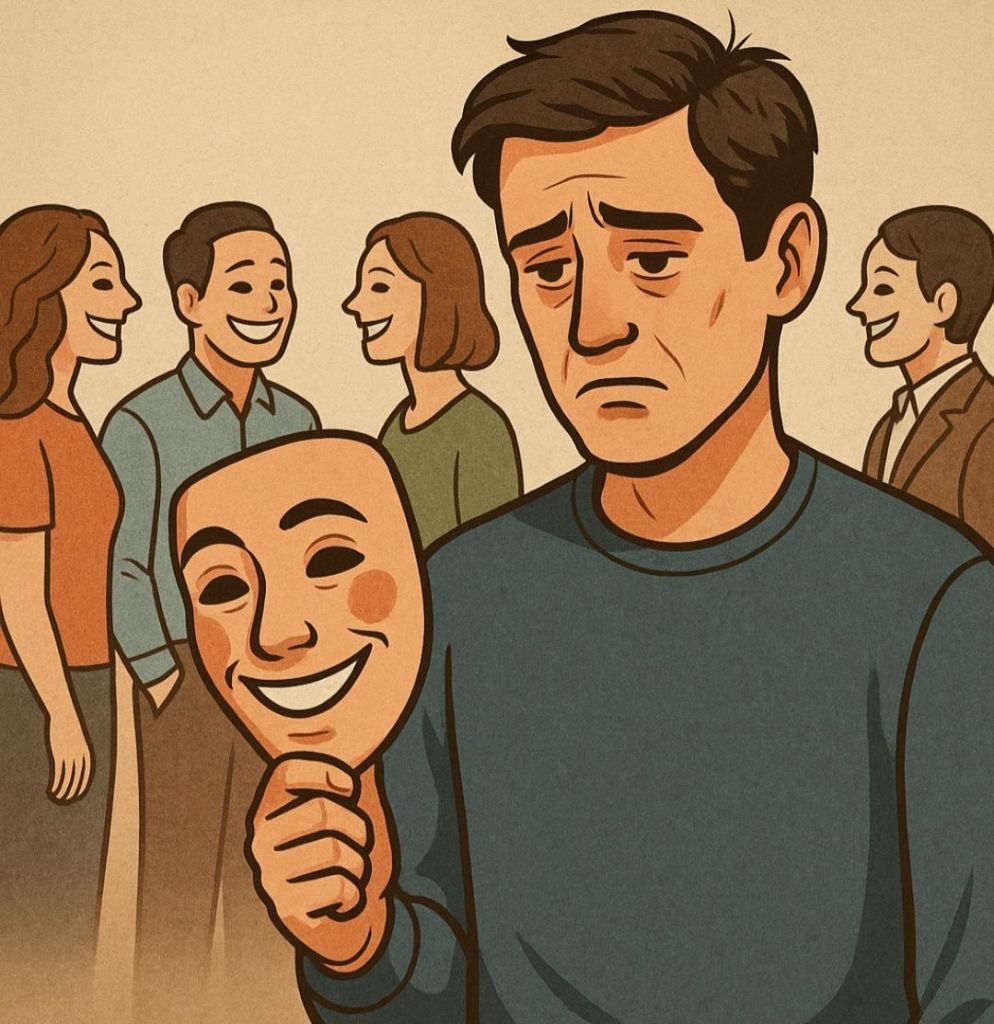
We often believe we can gauge a person’s character within the first few meetings. While first impressions can provide surface-level cues — like mannerisms, speech patterns, or outward confidence — they rarely reveal a person’s true nature. People tend to wear a mask in unfamiliar settings, projecting a version of themselves that feels socially acceptable or emotionally safe. This is why early judgments are often misleading.
2️⃣ The Comfort Zone of Superficial Talk
In most social interactions, especially early ones, conversations revolve around neutral or universally safe topics — weather, work, hobbies, or current events. This surface-level exchange acts as a buffer that protects individuals from vulnerability. People avoid diving into personal feelings or emotionally charged topics due to fear of judgment or rejection. Over time, this has become an accepted social norm.
3️⃣ Fear of Vulnerability
Revealing one’s emotions or personal struggles requires a level of trust that isn’t formed overnight. Many fear that opening up too soon might be seen as weakness or oversharing. Past experiences, betrayals, or emotional wounds may also make individuals hesitant. Vulnerability involves risk — and most are not ready to take that leap with someone they barely know.
4️⃣ When Openness Feels Uncomfortable
Occasionally, we come across someone who breaks this norm — a person who speaks candidly, expresses emotions freely, and doesn’t shy away from controversial or sensitive topics. While such honesty can be refreshing, it can also catch us off guard. We’re so conditioned to indirect communication that directness feels intrusive or overwhelming. This discomfort isn’t about the other person being wrong — it’s about our own unfamiliarity with such openness.
5️⃣ The Layers Beneath the Surface
Getting to know someone deeply is like peeling an onion — each layer reveals more complexity. A person’s true beliefs, fears, desires, and values are often hidden beneath layers of social conditioning and emotional defense. It is only through consistent, genuine interaction over time that these inner layers begin to unfold. Patience, empathy, and active listening play crucial roles in this process.
6️⃣ A Universal Experience
Almost everyone has experienced both sides of this equation — the hesitancy to open up, and the discomfort when someone else does it too quickly. This paradox lies at the heart of human connection. Understanding this helps us become more compassionate listeners and more mindful speakers. Building deep relationships requires time, mutual respect, and the courage to go beyond small talk.

“एखाद्याला पहिल्या भेटीत ओळखणे अवघडच….!”
एखाद्या व्यक्तीला खऱ्या अर्थाने जाणून घेण्यासाठी सहसा बराच वेळ लागतो. बहुतेक लोक पहिल्या भेटीतच त्यांच्या खोल भावना उघड करू इच्छित नाहीत. ते वरवरच्या किंवा सुरक्षित विषयांवर जास्त बोलतात, वादग्रस्त विषय उघडपणे बोलत नाहीत आणि त्यांच्या वैयक्तिक भावनांवर चर्चा देखील करत नाहीत. याची आपल्याला देखील सवय झालेली असते. मात्र खूप स्पष्ट आणि सरळ व्यक्तीला भेटल्यावर त्याच्या बिनधास्त बोलण्याने आपण काहीसे अस्वस्थ आणि अशांत होवू शकतो. मला वाटतं हा अनुभव देखील आपण प्रत्येक जण नेहमी घेतो.
1️⃣ पहिल्या छापांचा भ्रम
आपण अनेकदा समजतो की एखाद्या व्यक्तीबद्दल काही वेळातच आपल्याला सर्व कळून जातं. पहिल्या भेटीतून त्यांचा बोलण्याचा ढंग, वागणूक, आत्मविश्वास अशा काही गोष्टींचा अंदाज येतो खरा, पण यावरून त्या व्यक्तीची खरी ओळख समजतेच असं नाही. अनोळखी व्यक्तीसमोर बहुतेकजण एक ‘मुखवटा’ घालतात — समाजमान्य वाटेल असं व्यक्तिमत्त्व सादर करतात. त्यामुळे पहिल्या भेटीतून केलेल्या निर्णयांमध्ये चूक होण्याची शक्यता जास्त असते.
2️⃣वरवरच्या संभाषणाचा सुरक्षित पिंजरा
बहुतेक सामाजिक संवादात — विशेषतः नव्याने ओळख झाल्यावर — विषय हे नेहमीच सुरक्षित आणि सामान्य असतात: हवामान, व्यवसाय, छंद, बातम्या इत्यादी. हे वरवरचे संभाषण म्हणजे एक प्रकारची संरक्षण कवचच असते. कारण भावनिक गुंतवणूक आणि स्वतःचे मन मोकळे करणे हे प्रत्येकाला सहज जमत नाही. कोणत्याही नकारात्मक अनुभवापासून स्वतःला वाचवण्यासाठी लोक वैयक्तिक भावना बोलण्यात कचरत असतात. ही एक सामाजिक सवयच बनली आहे.
3️⃣उघडं बोलण्याची भीती
स्वतःच्या भावना, संघर्ष, आणि वैयक्तिक अनुभव मोकळेपणाने सांगण्यासाठी विश्वासाचं नातं गरजेचं असतं — आणि ते एका दिवसात निर्माण होत नाही. काहीजणांना वाटतं की जास्त लवकर उघडं झालं, तर समोरचा त्याचा गैरफायदा घेईल किंवा आपल्याला कमजोर समजेल. काहींना जुने अनुभव टोचत असतात — जेव्हा त्यांनी कोणावर विश्वास टाकला आणि त्यांचं नुकसान झालं. म्हणूनच अनेकदा माणसं स्वतःभोवती एक भिंत उभी करतात.
4️⃣अती स्पष्ट व्यक्तीची अस्वस्थता
कधी कधी आपल्या आयुष्यात अशी व्यक्ती येते जी अत्यंत सरळ, स्पष्ट आणि मोकळेपणाने बोलणारी असते. अशी माणसं कुठलाही आव न आणता आपलं मत व्यक्त करतात, भावना उघड करतात आणि वादग्रस्त मुद्द्यांवरही थेट बोलतात. त्यांचं प्रामाणिकपणं सुरुवातीला ताजं वाटतं, पण नंतर थोडं अस्वस्थ करतं. कारण आपण अशा थेट संवादाची सवयच घालवलेली असते. अस्वस्थता त्या व्यक्तीमुळे नसून, आपल्या अंतर्मनातील अनोळखीपणामुळे असते.
5️⃣ व्यक्तिमत्त्वाच्या आतील स्तरं
एखाद्या व्यक्तीला खऱ्या अर्थाने समजून घेणं म्हणजे एकेक करून त्याच्या व्यक्तिमत्त्वाची पुटं उलगडत नेणं — अगदी कांद्यासारखं. प्रत्येक स्तर मागे काही तरी वेगळं असतं: विचारधारा, अनुभव, भावनिक जखमा, मूल्यं. ही पुटं वेळोवेळी आणि विश्वासाच्या आधारेच उघड होतात. त्यासाठी संयम, सहानुभूती आणि मनापासून ऐकण्याची तयारी आवश्यक असते.
6️⃣ सगळ्यांनी अनुभवलेली ही भावना
ही भावना आपल्या प्रत्येकाने कधी ना कधी अनुभवलेली असते — आपण स्वतः उघड बोलायला घाबरतो आणि जेव्हा कुणी दुसरं असं करतं, तेव्हा आपण गोंधळून जातो. या विरोधाभासातच मानवी नात्यांचा खरा अर्थ दडलेला आहे. हे समजून घेतल्यावर आपण अधिक समजूतदार श्रोते होतो आणि संवेदनशीलपणे संवाद साधायला शिकतो. खोल नाती जुळवण्यासाठी वेळ, आदर आणि वरवरच्या गप्पांपलीकडे जाण्याची हिंमत लागते.
:-Mukund Madhukar Hingne.
 avatibhavati.com
Leave a reply to मुकुंद हिंगणे उत्तर रद्द करा.