Create an emergency preparedness plan.
- 🚨
From Uncertainty to Safety
No one can predict when, where, or how an emergency will occur. Earthquakes, floods, fires, accidents, or health crises — these events happen suddenly, and without proper preparation, they can cause significant loss of life and property.
Emergency preparedness is not about spreading fear, but about taking the right steps to protect yourself and your loved ones in times of crisis.
A simple, well-thought-out, and practically implementable plan boosts confidence rather than fear.
This plan should not remain just on paper — every member of the household should be aware of it.
Proper planning helps avoid panic during a crisis and enables timely, effective decision-making.
So, let’s explore what an effective emergency preparedness plan should look like.
1️⃣ Identifying Hazards and Assessing Risks
The first step is to identify potential hazards in your area.
Geographic conditions, climate, building structures, transportation systems, and local facilities can all affect the types of emergencies you may face.
Once risks are identified, it becomes easier to decide on the right preventive measures.
2️⃣ Communication and Contact Plan
During a crisis, mobile networks, the internet, or electricity may fail.
That’s why it’s essential to have alternative communication tools ready — such as walkie-talkies or battery-operated radios.
Every household member should know emergency contact numbers, the nearest hospital, police station, and the phone numbers of friends and relatives.
3️⃣ Choosing Safe Locations
Decide in advance where to go during an emergency.
Identify safe spots in your home — such as under a sturdy table during an earthquake, or in an open outdoor space during a fire.
Have prior information about neighbors, friends, or government shelter centers.
4️⃣ Preparing an Emergency Kit
Keep an Emergency Kit at home — including water, non-perishable food, first-aid supplies, a flashlight, batteries, a power bank, a whistle, copies of essential documents, and some cash.
Store this kit in an easily accessible place and check it at least twice a year.
5️⃣ Practice and Training
An emergency plan is only useful if it’s practiced.
All family members should rehearse what each person will do during a crisis.
Schools, offices, and community organizations should also conduct such drills regularly.
6️⃣ Staying Calm and Acting Wisely
The greatest tool in an emergency is remaining calm.
Panic leads to poor decisions — so first control your breathing and then follow the steps in your plan.
Emergency preparedness is about overcoming fear and choosing the path to safety.
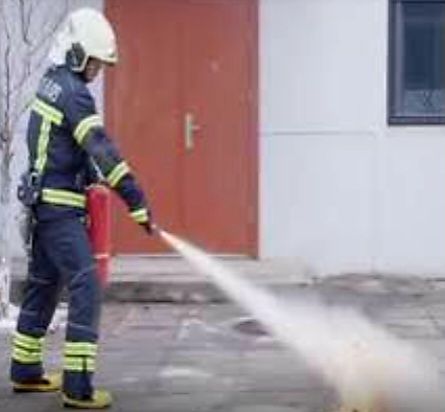
“पूर्व नियोजनामुळे संकटाच्या क्षणी घबराट टाळता येते…!”
“आपत्कालीन परिस्थितीचा तयारी आराखडा तयार करा.”
- 🚨
अनिश्चिततेतून सुरक्षिततेकडे
आपत्कालीन परिस्थिती कधी, कुठे आणि कशी उद्भवेल हे कोणीही सांगू शकत नाही. भूकंप, पूर, आग, अपघात किंवा आरोग्याच्या आपत्ती — या सर्व घटना अचानक घडतात आणि त्यावेळी योग्य तयारी नसेल तर जीवित आणि संपत्तीचे मोठे नुकसान होऊ शकते.
आपत्कालीन तयारी म्हणजे भीती पसरवणं नव्हे, तर संकटाच्या वेळी स्वतःचा आणि आपल्या जवळच्या लोकांचा बचाव करण्यासाठी योग्य पावले उचलणं.
एक सुटसुटीत, विचारपूर्वक आणि प्रत्यक्षात अमलात आणता येईल असा आराखडा तयार केल्याने, भीतीपेक्षा आत्मविश्वास वाढतो.
हा आराखडा केवळ कागदावर न राहता, घरातील सर्व सदस्यांच्या माहितीमध्ये असावा.
योग्य नियोजनामुळे संकटाच्या क्षणी घबराट टाळता येते आणि वेळेत योग्य निर्णय घेता येतात.
म्हणूनच, चला जाणून घेऊया — आपत्कालीन तयारीचा एक प्रभावी आराखडा कसा असावा.
1️⃣ धोका ओळखणे आणि जोखीम मूल्यांकन
सर्वात आधी आपल्या परिसरातील संभाव्य धोके ओळखणे गरजेचे आहे. भौगोलिक परिस्थिती, हवामान, इमारतींची रचना, वाहतूक व्यवस्था आणि स्थानिक सुविधा यांच्या आधारे आपत्कालीन धोके बदलू शकतात.
जोखीम ओळखल्यानंतर त्यावर उपाययोजना ठरवणं सोपं जातं.
2️⃣ संपर्क आणि संवाद योजना
संकटाच्या वेळी मोबाईल नेटवर्क, इंटरनेट किंवा वीजपुरवठा बंद होऊ शकतो.
म्हणूनच, पर्यायी संवाद साधने (जसे वॉकी-टॉकी, बॅटरीवर चालणारे रेडिओ) तयार ठेवणे आवश्यक आहे.
घरातील सर्व सदस्यांना आपत्कालीन संपर्क क्रमांक, नजीकचे रुग्णालय, पोलिस ठाणे आणि मित्र-नातेवाईकांचे क्रमांक माहीत असावेत.
3️⃣ सुरक्षित ठिकाणांची निवड
संकटाच्या वेळी कुठे जावं हे आधीच ठरवा.
घरातील सुरक्षित जागा (भूकंपाच्या वेळी मजबूत टेबलखाली, आगीच्या वेळी बाहेर मोकळ्या जागेत) ठरवा.
शेजारी, मित्र किंवा सरकारी निवारा केंद्रांची माहिती आधीपासून असावी.
4️⃣ आपत्कालीन साहित्याची तयारी
घरात एक Emergency Kit असावी — ज्यात पाणी, नाशवंत अन्न, प्राथमिक उपचार साहित्य, टॉर्च, बॅटऱ्या, पॉवर बँक, शिटी, आवश्यक कागदपत्रांच्या प्रती आणि थोडी रोख रक्कम असावी.
ही किट सहज उपलब्ध जागी ठेवा आणि वर्षातून किमान दोनदा तपासा.
5️⃣ सराव आणि प्रशिक्षण
आपत्कालीन योजना फक्त लिहून ठेवून उपयोग नाही, तर तिचा प्रत्यक्ष सराव आवश्यक आहे.
घरातील सर्व सदस्यांनी संकटाच्या वेळी कोण काय करणार याचा सराव करावा.
शाळा, कार्यालये आणि समाज संस्थांनीदेखील अशा सराव मोहिमा राबवाव्यात.
6️⃣ शांत राहून कृती करणे
संकटाच्या वेळी शांतता राखणं हेच सर्वात मोठं शस्त्र आहे.
घाबरल्याने चुकीचे निर्णय होतात, त्यामुळे आधी श्वास नियंत्रित करा आणि ठरलेल्या योजनेनुसार पावले उचला.
आपत्कालीन तयारी म्हणजेच भीतीवर मात करून सुरक्षिततेचा मार्ग निवडणं.
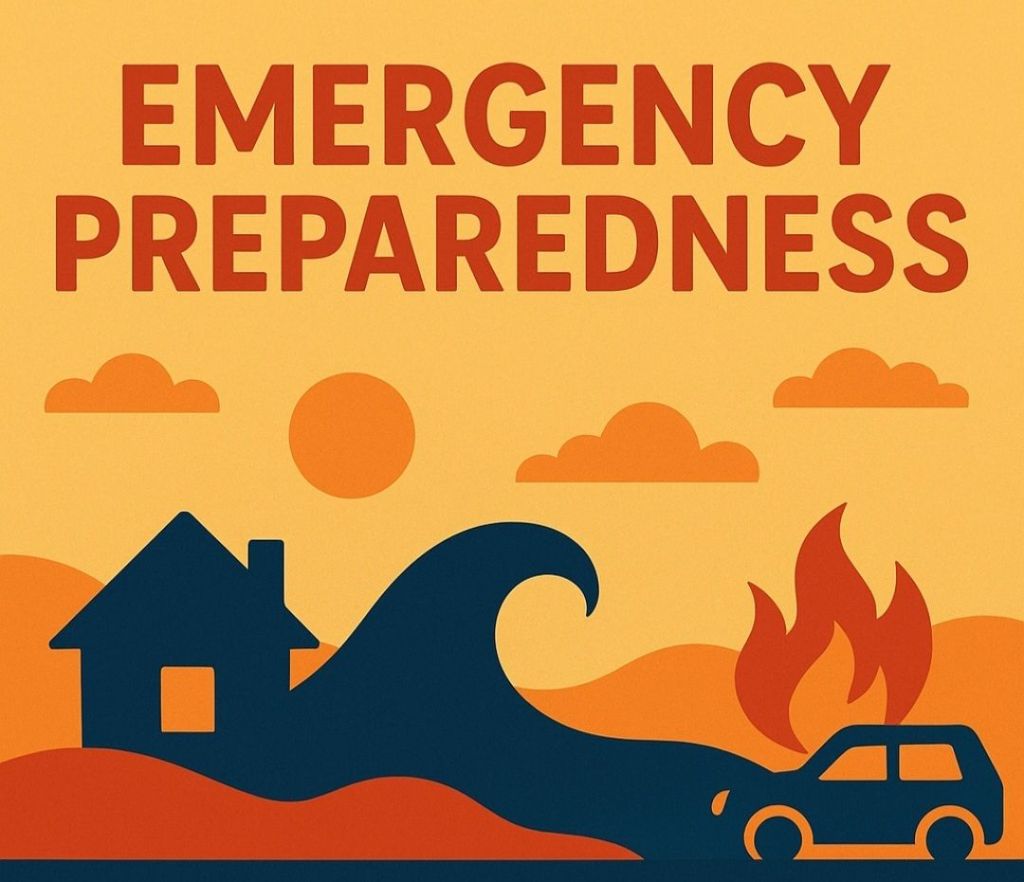
:-Mukund Madhukar Hingne.
 avatibhavati.com
Leave a reply to Ahmed उत्तर रद्द करा.