In my opinion, we must stop fighting against death. When that moment arrives, we should face it peacefully and with dignity. In the words of Lord Gautama Buddha, death is simply the next stage in the journey of life.
Birth and death are two inevitable events of nature.
We welcome birth with great joy, but often avoid even thinking about death.
A person who plans every stage of life often remains unprepared for the final journey.
Modern medical science has made it possible to prolong life, but is that always the right thing to do?
Isn’t it more important to develop the mindset to accept death with dignity rather than live in fear of it?
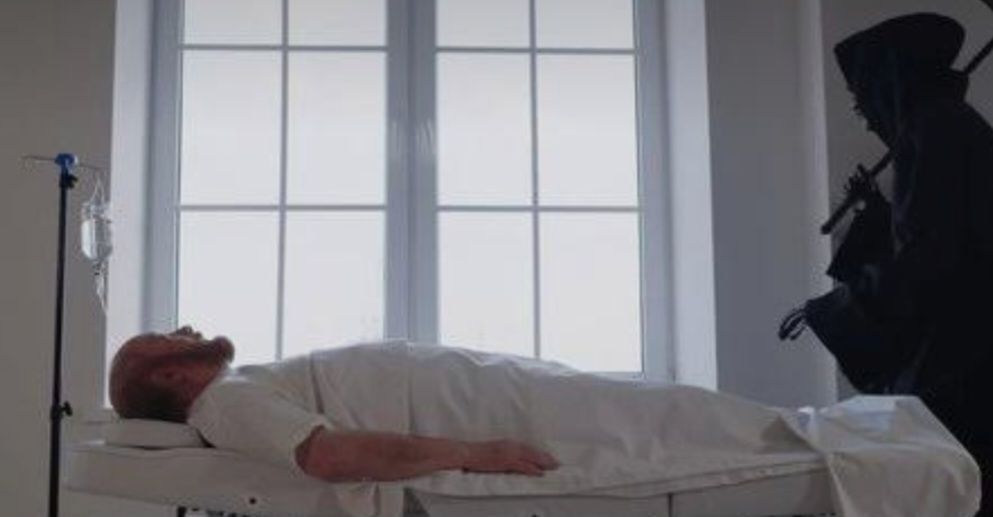
1. Thinking About Death Does Not Mean Being Negative!
Recently, I came across a social media post about Prof. Dr. Lopa Mehta. At the age of 78, she prepared her own Living Will, clearly stating her preferences regarding medical treatment during the final stage of her life. She expressed her wish to depart peacefully and with dignity rather than have her breathing sustained artificially through machines in an irreversible medical condition.
In reality, we plan almost every aspect of our lives—education, career, business, marriage and retirement. Yet, we tend to avoid talking about death. Thinking about death does not mean being pessimistic; it simply means understanding the reality of life.
2. There Is a Difference Between Prolonging Life and Truly Living!
The progress made in medical science is undoubtedly remarkable. Treatments are now available for many serious illnesses, and life-support systems have given countless patients a new lease of life. However, when all possibilities of recovery have been exhausted, we must ask ourselves how appropriate it is to keep the body functioning solely with the support of machines.
Of course, every critically ill patient has a different medical condition. If there is a possibility of recovery through treatment, every effort must be made. But when the medical condition is irreversible, the patient’s suffering, wishes and dignity deserve equal consideration. After all, keeping someone breathing and enabling them to live a meaningful life are two different things.
3. A Living Will Is About Respecting One’s Own Wishes!
A Living Will is a written statement made in advance, expressing which medical treatments a person would wish to accept or refuse if they are unable to make decisions for themselves in the future. The Supreme Court of India has also recognised its legal validity.
This does not mean refusing treatment and inviting death. Rather, it is about respecting a patient’s wishes regarding the avoidance of unnecessary life-support interventions in irreversible medical conditions. I believe everyone should discuss this matter openly with their family members. After all, if we are unable to express our wishes during the final moments of life, at least our loved ones should know what we would have wanted.
4. Accepting the Limitations of the Human Body Is Equally Important!
Dr. Mehta has presented the idea of looking at death as a natural biological process. The human body has its own limitations. A balanced diet, exercise, yoga and regular sleep can help maintain the body’s efficiency, but they cannot make us immortal.
The human body can be compared to a battery. We take care of it to extend its life, but we must also accept that one day it will stop functioning. Of course, spiritual beliefs about life energy and the subtle body are not scientifically established medical conclusions. It is important to look at the reality of death without mixing scientific understanding with matters of faith.
5. Preparing to Live Is More Important Than Preparing for Death!
During a serious illness, the financial and emotional burden of hospital treatment has to be borne by the entire family. Therefore, when there is no longer any reasonable possibility of a positive outcome from treatment, keeping the patient free from pain, ensuring the company of loved ones and preserving their dignity become important priorities.
The concept of palliative care—that is, treatment focused on pain relief and comfort—needs to become more widely understood and accessible.
To conclude, although we cannot control when death will arrive, we do have the freedom to think about how we wish to live until then and how we would like to be treated during the final stage of our lives. Rather than fighting against death until the very end, sometimes it is necessary to accept it peacefully. After all, the end of life is not a defeat; it is simply the full stop at the end of a journey!

मृत्यूशी लढण्यापेक्षा सन्मानाने निरोप घ्यावा…?
माझ्या मते, मृत्यूशी लढणे थांबवायलाच हवे….जेंव्हा तो क्षण येईल–तेंव्हा…शांतपणे, सन्मानाने त्याला सामोरे जायला हवे. भगवान गौतम बुध्दांच्या भाषेत– मृत्यू म्हणजे जीवनाच्या प्रवासातील पुढचा टप्पा आहे.
जन्म आणि मृत्यू या निसर्गाच्या दोन अपरिहार्य घटना आहेत.
जन्माचे स्वागत आपण मोठ्या आनंदाने करतो, पण मृत्यूचा विचार करणेही टाळतो.
आयुष्याच्या प्रत्येक टप्प्याचे नियोजन करणारा माणूस आपल्या शेवटच्या प्रवासाबद्दल मात्र अनभिज्ञ असतो.
आधुनिक वैद्यकशास्त्राने आयुष्य वाढवण्याची क्षमता मिळवली आहे; पण प्रत्येक वेळी तेच योग्य असते का?
मृत्यूला घाबरण्यापेक्षा तो सन्मानाने स्वीकारण्याची मानसिकता विकसित करणे अधिक महत्त्वाचे नाही का?
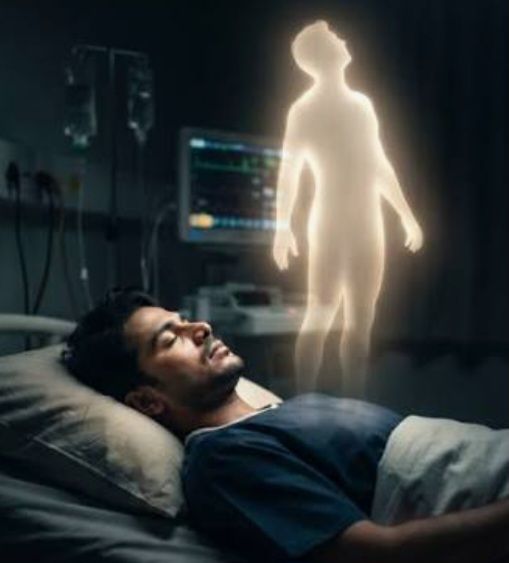
१. मृत्यूचा विचार करणे म्हणजे नकारात्मकता नव्हे!
अलीकडेच सोशल मीडियावर प्रा. डॉ. लोपा मेहता यांच्याविषयीची एक पोस्ट वाचनात आली. वयाच्या ७८ व्या वर्षी त्यांनी स्वतःचे ‘लिव्हिंग विल’ तयार करून आयुष्याच्या अखेरच्या टप्प्यात कोणत्या प्रकारचे उपचार स्वीकारायचे, याबद्दल आपली भूमिका स्पष्ट केली आहे. असाध्य परिस्थितीत केवळ कृत्रिम यंत्रणांच्या मदतीने श्वास सुरू ठेवण्यापेक्षा शांततेत आणि सन्मानाने निरोप घेण्याची त्यांची इच्छा त्यांनी त्यात व्यक्त केली आहे. वास्तविक, आपण शिक्षण, नोकरी, व्यवसाय, विवाह आणि निवृत्तीचे नियोजन करतो; पण मृत्यूबद्दल बोलणे टाळतो. मृत्यूचा विचार करणे म्हणजे निराशावादी होणे नव्हे, तर आयुष्याचे वास्तव समजून घेणे आहे.
२. आयुष्य वाढवणे आणि जगणे यात फरक असतो!
वैद्यकशास्त्राने केलेली प्रगती निश्चितच कौतुकास्पद आहे. अनेक गंभीर आजारांवर उपचार उपलब्ध झाले असून, जीवनरक्षक यंत्रणांमुळे असंख्य रुग्णांना नवजीवन मिळाले आहे. मात्र एखाद्या रुग्णाचे बरे होण्याचे मार्ग बंद झाले असताना, केवळ यंत्रांच्या आधारावर त्याचे शरीर कार्यरत ठेवणे कितपत योग्य आहे, हा प्रश्न विचारायला हवा. अर्थात, प्रत्येक गंभीर रुग्णाची परिस्थिती वेगळी असते. उपचारांनी बरे होण्याची शक्यता असेल तर प्रयत्न करणे आवश्यकच आहे. पण जेव्हा वैद्यकीयदृष्ट्या परिस्थिती अपरिवर्तनीय असते, तेव्हा रुग्णाच्या वेदना, त्याची इच्छा आणि प्रतिष्ठा यांनाही तितकेच महत्त्व मिळायला हवे. कारण श्वास सुरू असणे आणि अर्थपूर्ण आयुष्य जगणे या दोन वेगळ्या गोष्टी आहेत.
३. लिव्हिंग विल म्हणजे स्वतःच्या इच्छेचा सन्मान!
लिव्हिंग विल म्हणजे भविष्यात आपण स्वतः निर्णय घेण्याच्या स्थितीत नसू, तर कोणते वैद्यकीय उपचार स्वीकारायचे आणि कोणते नाकारायचे, याबद्दल आधीच व्यक्त केलेली लेखी इच्छा. भारतात सर्वोच्च न्यायालयानेही त्याला कायदेशीर मान्यता दिली आहे. याचा अर्थ उपचार नाकारून मृत्यूला आमंत्रण देणे असा नाही. तर असाध्य आणि अपरिवर्तनीय परिस्थितीत अनावश्यक जीवनरक्षक हस्तक्षेप टाळण्याबाबत रुग्णाच्या इच्छेचा आदर करणे असा आहे. मला वाटते, याबाबत प्रत्येकाने आपल्या कुटुंबीयांशी मोकळेपणाने बोलायला हवे. कारण आयुष्याच्या अखेरच्या क्षणी आपण स्वतः काही सांगू शकणार नसू, तर आपली इच्छा आपल्या माणसांना तरी माहीत असली पाहिजे.
४. शरीराच्या मर्यादा स्वीकारणेही आवश्यक!
डॉ. मेहता यांनी मृत्यूकडे एक नैसर्गिक जैविक प्रक्रिया म्हणून पाहण्याचा विचार मांडला आहे. शरीराला स्वतःच्या मर्यादा आहेत. योग्य आहार, व्यायाम, योगाभ्यास आणि नियमित झोप यामुळे शरीराची कार्यक्षमता टिकवता येते; पण अमरत्व मिळवता येत नाही. शरीराची तुलना बॅटरीशी करता येईल. तिचे आयुष्य वाढवण्यासाठी आपण काळजी घेतो, पण एक दिवस तिचे कार्य थांबणार हेही स्वीकारतो. अर्थात, जीवनशक्ती आणि सूक्ष्म शरीराविषयीचे आध्यात्मिक विचार हे वैद्यकीय विज्ञानाने सिद्ध केलेले निष्कर्ष नाहीत. विज्ञान आणि श्रद्धा यांची सरमिसळ न करता मृत्यूच्या वास्तवाकडे पाहणे आवश्यक आहे.
५. मृत्यूची तयारी करण्यापेक्षा जगण्याची तयारी महत्त्वाची!
गंभीर आजारपणात रुग्णालयातील उपचारांचा आर्थिक आणि मानसिक भार संपूर्ण कुटुंबाला सहन करावा लागतो. त्यामुळे जेव्हा उपचारांचा सकारात्मक परिणाम होण्याची शक्यता उरत नाही, तेव्हा रुग्णाला वेदनामुक्त ठेवणे, त्याला कुटुंबीयांचा सहवास मिळवून देणे आणि त्याची प्रतिष्ठा जपणे महत्त्वाचे ठरते. यासाठी पॅलिएटिव्ह केअर म्हणजेच वेदनाशमन आणि आरामदायी उपचारांची संकल्पना अधिक व्यापक व्हायला हवी. या पोस्टच्या शेवटी एवढेच… मृत्यू कधी येणार हे आपल्या हातात नसले, तरी तोपर्यंतचे आयुष्य कसे जगायचे आणि अखेरच्या टप्प्यात आपल्याला कशी वागणूक मिळावी, याबद्दल विचार करण्याचे स्वातंत्र्य आपल्याकडे आहे. मृत्यूशी शेवटपर्यंत लढण्यापेक्षा कधी त्याचा शांतपणे स्वीकार करणेही आवश्यक असते. कारण आयुष्याचा शेवट हा पराभव नसतो; तो एका प्रवासाचा पूर्णविराम असतो!
:-MUKUND HINGNE.


प्रतिक्रिया व्यक्त करा