A country becoming great and the lives of ordinary people in that country becoming better are two different things. The ultimate success of democracy does not lie in the centres of political power, but in the sense of satisfaction reflected on the faces of ordinary citizens.
In a democratic system, citizens have the right to elect their government. But how seriously do we think about what exactly we should expect from the government? Beyond basic facilities such as roads, electricity, water, education and healthcare, citizens want much more. They expect security, employment opportunities, economic stability, corruption-free administration and social justice. Rather than merely making promises, they want the government to bring about tangible positive changes in their lives. So, what exactly are the expectations of Indian citizens from their government, and in what direction should the government move to fulfil them?
1. Basic Facilities Are Not a Favour, but a Fundamental Right of Citizens!
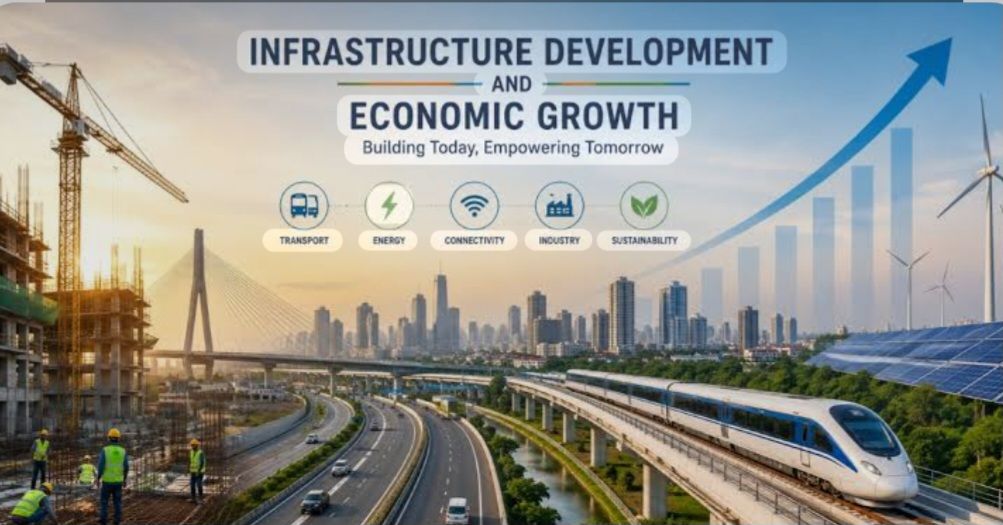
The first and most important expectation of Indian citizens from their government is the easy availability of basic facilities. Providing good roads to every village, regular electricity supply, clean drinking water, efficient public transport, proper sanitation and quality healthcare is the government’s primary responsibility. Even today, people in many parts of the country have to struggle to access these facilities. While cities face problems such as traffic congestion, pollution and unplanned urbanisation, rural areas continue to experience a shortage of healthcare, educational and transportation facilities. Therefore, instead of making grand announcements about development, it is more important to ensure that every citizen has access to basic amenities with dignity. The administration must understand that these facilities are not favours granted by the government, but fundamental rights of citizens.
2. Concerns About Employment, Inflation and Economic Security
The biggest struggle in the life of an ordinary Indian citizen is to achieve financial stability. Young people expect to find employment according to their qualifications after completing their education. Working professionals expect fair compensation for their efforts, while small business owners need a favourable environment to run and expand their businesses. On the other hand, rising inflation, increasing property prices and growing expenditure on healthcare and education often disrupt the financial planning of middle-class families. Farmers need fair prices for their produce, workers need social security, and senior citizens deserve the opportunity to live with dignity. Merely presenting statistics about the growth of the national economy will not satisfy ordinary citizens. What matters more is whether the benefits of economic development are actually reaching their homes and improving their everyday lives.
3. Corruption-Free Administration and the Rule of Law
Another important expectation citizens have from their government is transparent and accountable administration. The work of ordinary people in government offices should be completed on time. They should not have to depend on political connections or financial transactions to get their legitimate work done. The benefits of government schemes must reach the people who genuinely deserve them. All citizens should be treated equally before the law. Nobody should receive special privileges simply because they belong to the ruling party, nor should anyone face injustice for expressing an opinion against the government. The judicial system must remain independent and effective. Criminals should not be protected because of their political connections or financial influence. In a democracy, the strength of a government does not lie merely in its power to make decisions, but also in its willingness to remain accountable to the people for those decisions and actions. Such transparency is essential to maintaining public trust in the administration.
4. Social Harmony, Individual Freedom and Quality Education
The real strength of India lies in its diversity. Our society has preserved a tradition of living together while accepting differences in language, religion, caste, region and culture. Therefore, the government is expected to make sincere efforts to maintain social harmony and protect the individual freedom of every citizen. People must have the freedom to express their opinions, criticise the government and raise their voices against injustice. At the same time, there is a need to improve the quality of the education system. Education should not remain merely a means of obtaining a degree or securing a job. It should become a medium for developing scientific temper, rational thinking, sensitivity and social responsibility. Rather than creating divisions based on caste and religion, promoting mutual trust and understanding among people should be an important responsibility of every democratic government.
5. Accountability and Future Vision Matter More Than Promises!
Although elections are an important part of democracy, the entire existence of a democratic system cannot be limited to elections alone. Fulfilling promises made during election campaigns, presenting an account of public expenditure before citizens, evaluating the impact of policies and accepting mistakes while taking corrective measures are all responsibilities of the government. Citizens do not seek answers only to the problems of the present; they are equally concerned about the future of the next generation. The government should have clear policies on issues such as environmental protection, water management, sustainable development, the appropriate use of modern technology and enhancing India’s standing at the global level. At the same time, citizens must also remain aware of their duties along with their rights. Protecting public property, obeying the law, paying taxes and accepting social responsibilities are essential for strengthening democracy. This mutual trust between the government and its citizens can become the true foundation of the country’s progress.
6. Do People’s Expectations Change When the Government Changes?
While trying to understand what exactly Indian citizens want from their government, one important point needs to be considered. Citizens are not necessarily looking for a government belonging to any particular political party; they want a capable government that can fulfil their expectations. Regardless of which political party is in power, the fundamental concerns of ordinary people remain largely the same. They want good education, quality healthcare, employment, security, social dignity and a peaceful life.
A look at developed countries shows that once basic facilities are adequately established, citizens’ expectations gradually shift towards good governance, environmental protection, individual freedom, social justice and a better quality of life. India, too, should move in this direction.
भारतीय नागरिकांना सरकारकडून नेमके काय हवे…?
देश मोठा होणे आणि त्या देशातील सामान्य माणसाचे जीवन मोठे होणे या दोन वेगळ्या गोष्टी आहेत. लोकशाहीचे अंतिम यश देशाच्या सत्ताकेंद्रात नसते, तर सामान्य नागरिकांच्या चेहऱ्यावर दिसणाऱ्या समाधानात असते.
लोकशाही व्यवस्थेमध्ये सरकार निवडण्याचा अधिकार नागरिकांकडे असतो; पण सरकारकडून नेमके काय अपेक्षित ठेवायचे, याचा विचार आपण किती गांभीर्याने करतो? रस्ते, वीज, पाणी, शिक्षण आणि आरोग्य यांसारख्या मूलभूत सुविधांबरोबरच नागरिकांना आणखीही बरेच काही हवे असते. त्यांना सुरक्षितता, रोजगार, आर्थिक स्थैर्य, भ्रष्टाचारमुक्त प्रशासन आणि सामाजिक न्यायाची अपेक्षा असते. सरकारने केवळ आश्वासने देण्यापेक्षा नागरिकांच्या आयुष्यात प्रत्यक्ष सकारात्मक बदल घडवून आणावेत, अशी त्यांची इच्छा असते. मग भारतीय नागरिकांच्या सरकारकडून असलेल्या नेमक्या अपेक्षा कोणत्या आहेत आणि त्या पूर्ण करण्यासाठी सरकारने कोणत्या दिशेने वाटचाल करायला हवी?
१. मूलभूत सुविधा हा उपकार नव्हे, नागरिकांचा अधिकार!
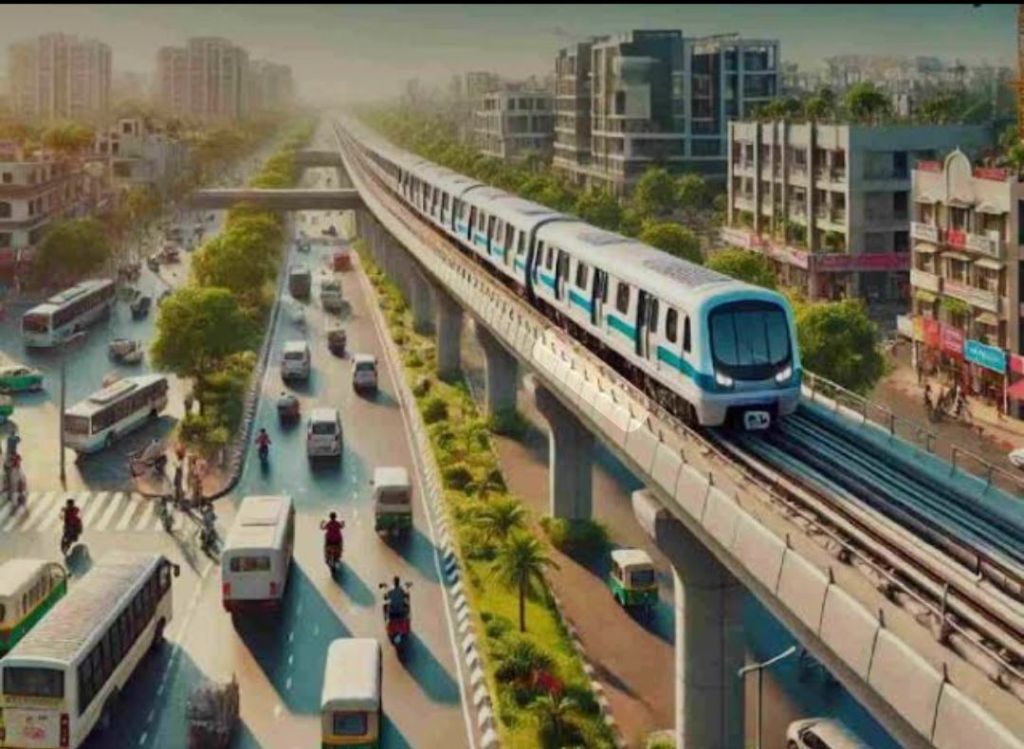
भारतातील नागरिकांची सरकारकडून असलेली पहिली आणि सर्वांत महत्त्वाची अपेक्षा म्हणजे मूलभूत सुविधा सहज उपलब्ध व्हाव्यात. प्रत्येक गावापर्यंत चांगले रस्ते, नियमित वीजपुरवठा, पिण्याचे स्वच्छ पाणी, सक्षम सार्वजनिक वाहतूक, स्वच्छता आणि उत्तम आरोग्यसेवा मिळणे ही सरकारची प्राथमिक जबाबदारी आहे. आजही देशातील अनेक भागांमध्ये या सुविधांसाठी नागरिकांना संघर्ष करावा लागतो. शहरांमध्ये वाहतूक कोंडी, प्रदूषण आणि अनियोजित नागरीकरणाचे प्रश्न आहेत, तर ग्रामीण भागात आरोग्य, शिक्षण आणि दळणवळणाच्या सुविधांची कमतरता जाणवते. त्यामुळे विकासाच्या मोठमोठ्या घोषणा करण्यापेक्षा प्रत्येक नागरिकाला मूलभूत सुविधा सन्मानाने उपलब्ध करून देणे अधिक महत्त्वाचे आहे. या सुविधा म्हणजे सरकारने केलेले उपकार नसून नागरिकांचा मूलभूत अधिकार आहेत, ही जाणीव प्रशासनामध्ये असायला हवी.
२. रोजगार, महागाई आणि आर्थिक सुरक्षिततेची चिंता
सामान्य भारतीय नागरिकाच्या आयुष्यातील सर्वांत मोठा संघर्ष आर्थिक स्थैर्यासाठी असतो. शिक्षण पूर्ण केल्यानंतर तरुणांना त्यांच्या पात्रतेनुसार रोजगार मिळावा, नोकरी करणाऱ्यांना त्यांच्या श्रमाचा योग्य मोबदला मिळावा आणि छोट्या व्यावसायिकांना व्यवसायासाठी अनुकूल वातावरण मिळावे, अशी अपेक्षा असते. दुसरीकडे वाढती महागाई, घरांचे वाढते दर, आरोग्य आणि शिक्षणावरील खर्च यामुळे मध्यमवर्गीय कुटुंबांचे आर्थिक नियोजन कोलमडते. शेतकऱ्यांना त्यांच्या उत्पादनाला योग्य भाव मिळावा, कामगारांना सामाजिक सुरक्षा मिळावी आणि ज्येष्ठ नागरिकांना सन्मानाने जगता यावे, हेही तितकेच महत्त्वाचे आहे. केवळ देशाची अर्थव्यवस्था वाढत असल्याची आकडेवारी सांगून सामान्य माणसाचे समाधान होणार नाही. आर्थिक विकासाचा लाभ त्याच्या घरापर्यंत आणि दैनंदिन जीवनापर्यंत पोहोचतो आहे की नाही, हे अधिक महत्त्वाचे आहे.
३. भ्रष्टाचारमुक्त प्रशासन आणि कायद्याचे राज्य
नागरिकांना सरकारकडून आणखी एक महत्त्वाची अपेक्षा असते, ती म्हणजे पारदर्शक आणि उत्तरदायी प्रशासन. सरकारी कार्यालयांमध्ये सामान्य माणसाची कामे वेळेत व्हावीत, प्रत्येक गोष्टीसाठी राजकीय ओळख किंवा आर्थिक व्यवहार करण्याची वेळ येऊ नये आणि सरकारी योजनांचा लाभ खऱ्या लाभार्थ्यांपर्यंत पोहोचावा. कायद्यापुढे सर्व नागरिक समान असावेत. एखादी व्यक्ती सत्ताधारी पक्षाशी संबंधित आहे म्हणून तिला विशेष सवलत मिळू नये किंवा सरकारच्या विरोधात मत व्यक्त केले म्हणून तिच्यावर अन्याय होऊ नये. न्यायव्यवस्था स्वतंत्र आणि सक्षम असावी. गुन्हेगारांना त्यांच्या राजकीय किंवा आर्थिक प्रभावामुळे संरक्षण मिळता कामा नये. लोकशाहीमध्ये सरकारची ताकद केवळ निर्णय घेण्याच्या अधिकारात नसते, तर स्वतःच्या निर्णयांसाठी आणि कृतींसाठी जनतेला उत्तर देण्याच्या तयारीत असते. नागरिकांचा प्रशासनावरील विश्वास टिकवण्यासाठी ही पारदर्शकता अत्यावश्यक आहे.
४. सामाजिक सलोखा, व्यक्तिस्वातंत्र्य आणि गुणवत्तापूर्ण शिक्षण
भारताची खरी ताकद त्याच्या विविधतेत आहे. भाषा, धर्म, जात, प्रांत आणि संस्कृती यांमधील वेगळेपण स्वीकारून एकत्र राहण्याची परंपरा आपल्या समाजाने जपली आहे. त्यामुळे सरकारने सामाजिक सलोखा टिकवण्यासाठी आणि प्रत्येक नागरिकाच्या व्यक्तिस्वातंत्र्याचे संरक्षण करण्यासाठी प्रयत्न करणे अपेक्षित आहे. नागरिकांना आपले विचार मांडण्याचे, सरकारवर टीका करण्याचे आणि अन्यायाविरोधात आवाज उठवण्याचे स्वातंत्र्य असले पाहिजे. त्याचबरोबर शिक्षणव्यवस्थेचा दर्जा सुधारण्याची गरज आहे. शिक्षण केवळ पदवी मिळवण्याचे किंवा नोकरी मिळवण्याचे साधन न राहता वैज्ञानिक दृष्टिकोन, विवेकनिष्ठ विचार, संवेदनशीलता आणि सामाजिक जबाबदारी विकसित करणारे माध्यम बनायला हवे. जातीय आणि धार्मिक तेढ निर्माण करण्यापेक्षा माणसांमधील परस्परविश्वास वाढवणे हे कोणत्याही लोकशाही सरकारचे महत्त्वाचे कर्तव्य असायला हवे.
५. आश्वासनांपेक्षा उत्तरदायित्व आणि भविष्याचा विचार!
निवडणुका हा लोकशाहीचा महत्त्वाचा भाग असला तरी लोकशाहीचे संपूर्ण अस्तित्व केवळ निवडणुकांपुरते मर्यादित नाही. निवडणुकीच्या काळात दिलेली आश्वासने पूर्ण करणे, सरकारी खर्चाचा हिशेब जनतेसमोर मांडणे, धोरणांच्या परिणामांचे मूल्यमापन करणे आणि चुका झाल्यास त्या स्वीकारून सुधारणा करणे ही सरकारची जबाबदारी आहे. नागरिकांना केवळ वर्तमानातील प्रश्नांची उत्तरे नको आहेत, तर पुढील पिढ्यांच्या भविष्याचीही चिंता आहे. पर्यावरणाचे संरक्षण, पाण्याचे नियोजन, शाश्वत विकास, आधुनिक तंत्रज्ञानाचा योग्य वापर आणि जागतिक स्तरावर भारताची प्रतिष्ठा वाढवणे यांसारख्या विषयांवर सरकारकडे स्पष्ट धोरण असायला हवे. त्याचवेळी नागरिकांनीही आपल्या अधिकारांबरोबर कर्तव्यांची जाणीव ठेवली पाहिजे. सार्वजनिक मालमत्तेचे संरक्षण, कायद्याचे पालन, कर भरणे आणि सामाजिक जबाबदारी स्वीकारणे या गोष्टी लोकशाही अधिक सक्षम करतात. सरकार आणि नागरिक यांच्यातील हा परस्परविश्वासच देशाच्या प्रगतीचा खरा पाया ठरू शकतो.
६.सरकार बदलले की अपेक्षा बदलतात का?
भारतीय नागरिकांना सरकारकडून नेमके काय हवे, या प्रश्नाचे उत्तर शोधताना एक गोष्ट लक्षात घ्यायला हवी. नागरिकांना कोणत्याही विशिष्ट राजकीय पक्षाचे सरकार नको असते, तर त्यांच्या अपेक्षा पूर्ण करणारे सक्षम सरकार हवे असते. सरकार कोणत्याही पक्षाचे असो, सामान्य माणसाच्या आयुष्यातील मूलभूत प्रश्न बदलत नाहीत. त्याला चांगले शिक्षण, उत्तम आरोग्य, रोजगार, सुरक्षितता, सामाजिक प्रतिष्ठा आणि शांततापूर्ण जीवन हवे असते.
विकसित देशांकडे पाहिले तर लक्षात येते की, मूलभूत सुविधा सक्षम झाल्यानंतर तेथील नागरिकांच्या अपेक्षा सुशासन, पर्यावरण, व्यक्तिस्वातंत्र्य, सामाजिक न्याय आणि जीवनमानाच्या गुणवत्तेकडे वळतात. भारतानेही या दिशेने वाटचाल करायला हवी.
:-MUKUND HINGNE.


प्रतिक्रिया व्यक्त करा