An overview of the new directions explored by Marathi theatre in comparison with world theatre, and the role it has played in bringing about social transformation!
Both World Wars had far-reaching effects on the political, social and cultural life of the world. These changes were also reflected in the global art scene, giving rise to new forms of expression on the stage. Challenging traditional dramatic structures, theatre began exploring the human mind, social realities, political conflicts and questions of human existence. During the same period, different streams of socially relevant and experimental theatre were also emerging on the Marathi stage.
1. Changes in World Theatre After the First World War!
The First World War dealt a severe blow to the social and cultural life of Europe. Questions began to arise about human conscience, morality, social values and established systems. This unrest was also reflected in theatre. The influence of Henrik Ibsen’s realistic dramatic tradition, followed by Bertolt Brecht’s political theatre and a critical perspective towards social realities, gained importance. Theatre gradually evolved from being merely a source of entertainment into a powerful medium for highlighting social contradictions and injustice.
2. The Emergence of Social Themes in Marathi Theatre!
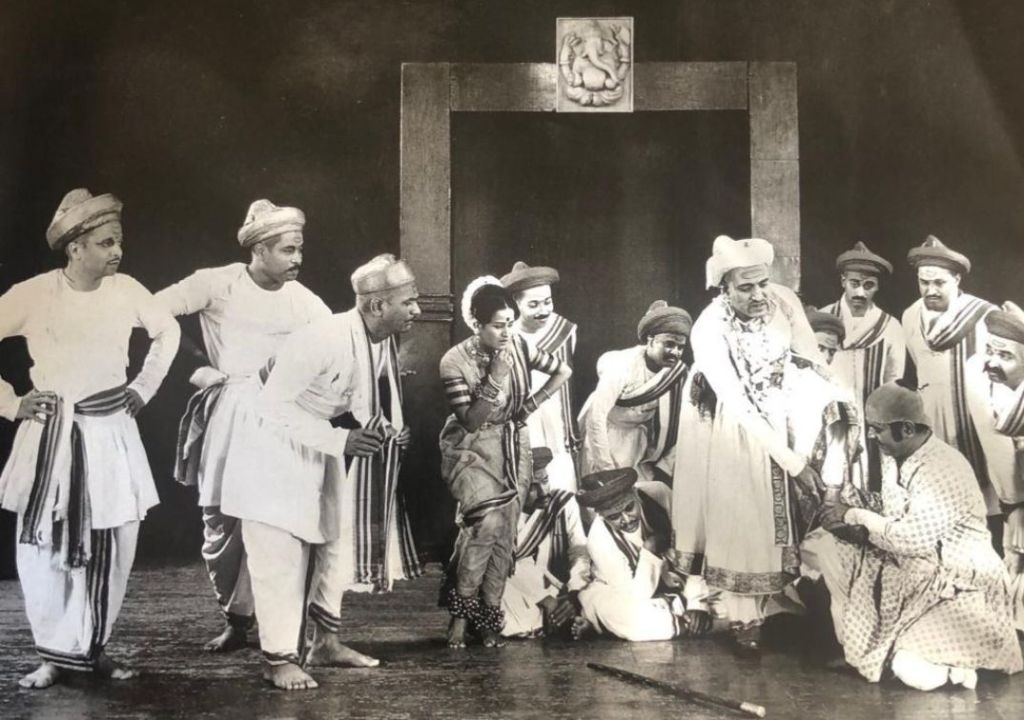
During the same period, plays dealing with social issues were also becoming popular on the Marathi stage. Ram Ganesh Gadkari’s Ekach Pyala is an important example. The play powerfully portrayed the destruction of a family caused by alcoholism and the tragedy that followed. Mama Varerkar also addressed issues such as social inequality and untouchability in his plays. During the 1930s, theatre groups such as Natyamanwantar introduced new experiments in realistic acting, naturalistic stage design and presentation. Andhalyanchi Shala (The School for the Blind) was an important example of this movement. Marathi theatre had begun to move beyond the traditional musical drama format and explore social realities.
3. The New Dimensions of World Theatre After the Second World War!
After the Second World War, questions concerning human existence, loneliness, psychological unrest and the absurdities of life became increasingly prominent across the world. Samuel Beckett’s Waiting for Godot and the plays of Eugène Ionesco brought greater recognition to the movement known as the ‘Theatre of the Absurd’. Through epic theatre, including plays such as The Good Person of Szechwan, Bertolt Brecht encouraged audiences not to remain merely emotionally involved in a performance, but to critically examine social and political realities. New experiments began to emerge not only in the content of plays but also in their structure, acting styles, stage design and presentation.
4. The Influence of Modern Dramatic Ideas on Marathi Theatre!
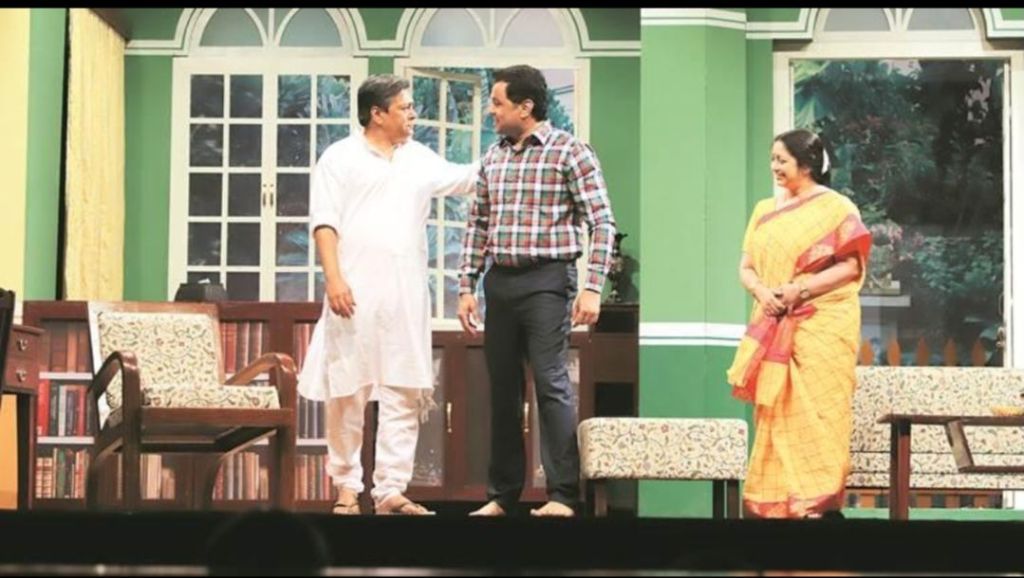
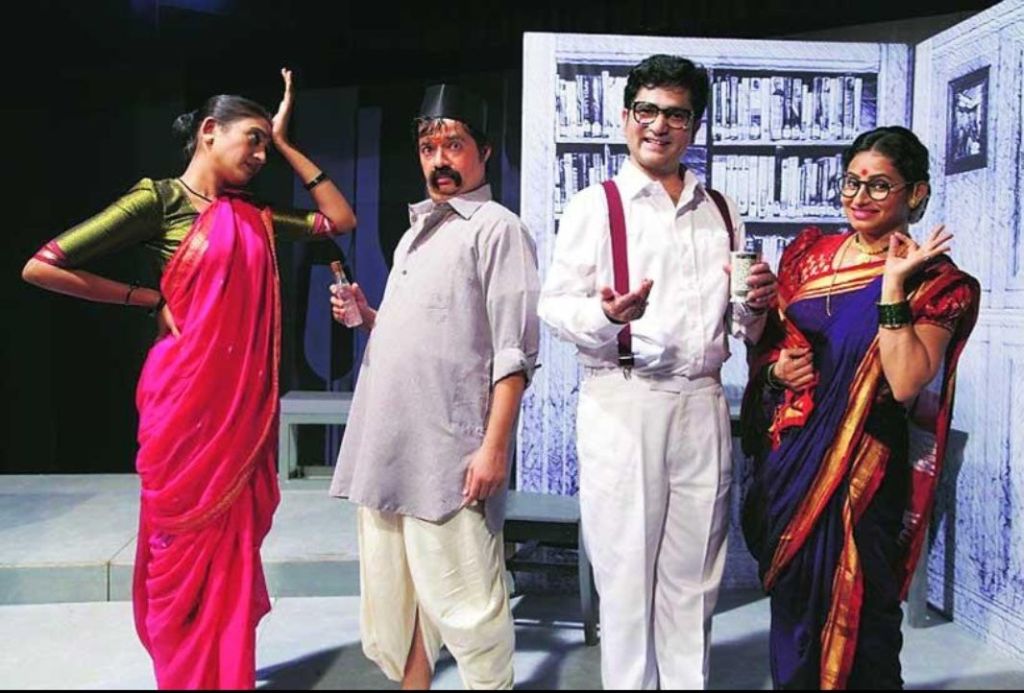
After 1960, Marathi theatre entered a new phase of modernity. Playwrights such as Vijay Tendulkar, Mahesh Elkunchwar, Satish Alekar and G. P. Deshpande gave Marathi drama new intellectual and artistic dimensions. Plays such as Shantata! Court Chalu Aahe, Sakharam Binder, Ghashiram Kotwal, Holi and Mahanirvan explored social hypocrisy, relationships between men and women, power politics, human psychology and questions surrounding death in distinctive ways. These plays did not merely portray social problems; they also questioned established morality and the existing social order. The experimental theatre movement further accelerated this transformation.
5. Theatre as an Instrument of Social Change or a Reflection of Change?
A comparative study of world theatre and Marathi theatre reveals several common threads in their evolution. In both, attempts were made to challenge traditional dramatic structures. Human nature, social inequality, power relationships and changing values became important themes. However, since every society had its own cultural background and social circumstances, the forms of artistic expression also differed.
Marathi theatre did not merely imitate Western theatrical movements. Instead, it developed an independent theatrical language rooted in local social realities. A play may not necessarily bring about direct social transformation, but it can stimulate the audience’s thinking, challenge established beliefs and create new social awareness. Therefore, theatre is both an instrument of social change and a reflection of the changes taking place within society.
जागतिक रंगभूमी आणि मराठी नाटक : सामाजिक परिवर्तनाचा प्रवास…!
जागतिक रंगभूमीच्या तुलनेत मराठी नाटकाने कोणत्या नव्या वाटा शोधल्या आणि सामाजिक परिवर्तनात नेमकी कोणती भूमिका बजावली, याचा घेतलेला हा आढावा!
दोन्ही महायुद्धांनी जगाच्या राजकीय, सामाजिक आणि सांस्कृतिक जीवनावर दूरगामी परिणाम केले. या बदलांचे प्रतिबिंब जागतिक कलाक्षेत्रातही उमटले आणि रंगभूमीवर अभिव्यक्तीचे नवे प्रयोग सुरू झाले. पारंपरिक नाट्यरचनेला आव्हान देत मानवी मन, सामाजिक वास्तव, राजकीय संघर्ष आणि अस्तित्वाचे प्रश्न रंगमंचावर येऊ लागले. याच काळात मराठी रंगभूमीवरही सामाजिक आशय आणि प्रयोगशीलतेचे वेगवेगळे प्रवाह विकसित होत होते.
१. पहिल्या महायुद्धानंतर जागतिक रंगभूमीवर झालेले बदल!
पहिल्या महायुद्धाने युरोपमधील सामाजिक आणि सांस्कृतिक जीवनाला मोठा धक्का दिला. माणसाचा विवेक, नैतिकता, सामाजिक मूल्ये आणि प्रस्थापित व्यवस्थेविषयी प्रश्न उपस्थित होऊ लागले. या अस्वस्थतेचे प्रतिबिंब नाटकांमध्येही उमटले. हेन्रिक इब्सेनच्या वास्तववादी नाट्यपरंपरेचा प्रभाव, पुढे बर्टोल्ट ब्रेख्तचे राजकीय नाटक आणि सामाजिक वास्तवाकडे पाहण्याची चिकित्सक दृष्टी यांना महत्त्व प्राप्त झाले. नाटक केवळ मनोरंजनाचे साधन न राहता समाजातील विसंगती आणि अन्याय मांडणारे प्रभावी माध्यम बनू लागले.
२. मराठी रंगभूमीवर सामाजिक आशयाची पेरणी!
याच कालखंडात मराठी रंगभूमीवरही सामाजिक प्रश्नांची मांडणी करणारी नाटके लोकप्रिय होत होती. राम गणेश गडकरी यांचे ‘एकच प्याला’ हे त्याचे महत्त्वाचे उदाहरण. मद्यपानामुळे एका कुटुंबाचा होणारा ऱ्हास आणि त्यातून निर्माण होणारी शोकांतिका या नाटकातून प्रभावीपणे मांडण्यात आली. मामा वरेरकर यांनीही सामाजिक विषमता आणि अस्पृश्यतेसारख्या प्रश्नांना आपल्या नाटकांतून स्थान दिले. १९३० च्या दशकात नाट्यमन्वंतरसारख्या संस्थांनी वास्तववादी अभिनय, नैसर्गिक नेपथ्य आणि सादरीकरणातील नवे प्रयोग केले. ‘आंधळ्यांची शाळा’ हे त्यातील महत्त्वाचे उदाहरण ठरले. मराठी रंगभूमीने पारंपरिक संगीत नाटकांच्या पलीकडे जाऊन सामाजिक वास्तवाचा शोध घेण्यास सुरुवात केली होती.
३. दुसऱ्या महायुद्धानंतर जागतिक रंगभूमीचे नवे स्वरूप!
दुसऱ्या महायुद्धानंतर जगभरात मानवी अस्तित्व, एकाकीपणा, मानसिक अस्वस्थता आणि जीवनातील विसंगती यांविषयीचे प्रश्न अधिक तीव्र झाले. सॅम्युअल बेकेटचे ‘वेटिंग फॉर गोदो’ आणि युजीन आयनेस्कोची नाटके यांतून ‘थिएटर ऑफ द अब्सर्ड’ या प्रवाहाला महत्त्व प्राप्त झाले. बर्टोल्ट ब्रेख्तने “द गुड पर्सन ऑफ शेजवान” सारख्या महाकाव्य नाट्यातून प्रेक्षकांना केवळ भावनिक गुंतवणुकीत अडकवून न ठेवता सामाजिक आणि राजकीय वास्तवाचा विचार करण्यास प्रवृत्त केले. नाटकाच्या आशयाबरोबरच त्याची रचना, अभिनयशैली, नेपथ्य आणि सादरीकरण यांतही नवे प्रयोग सुरू झाले.
४. मराठी रंगभूमीवर आधुनिक नाट्यविचारांचा प्रभाव!
१९६० नंतर मराठी रंगभूमीवर आधुनिकतेचे नवे पर्व सुरू झाले. विजय तेंडुलकर, महेश एलकुंचवार, सतीश आळेकर आणि गो. पु. देशपांडे यांसारख्या नाटककारांनी मराठी नाटकाला नवे वैचारिक आणि कलात्मक परिमाण दिले. ‘शांतता! कोर्ट चालू आहे’, ‘सखाराम बाइंडर’, ‘घाशीराम कोतवाल’, ‘होळी’ आणि ‘महानिर्वाण’ यांसारख्या नाटकांनी सामाजिक दांभिकता, स्त्री-पुरुष संबंध, सत्ताकारण, मानवी मानसिकता आणि मृत्यूविषयीचे प्रश्न वेगळ्या पद्धतीने मांडले. या नाटकांनी केवळ सामाजिक समस्यांचे चित्रण केले नाही, तर प्रस्थापित नैतिकता आणि सामाजिक व्यवस्थेलाच प्रश्न विचारले. प्रायोगिक रंगभूमीच्या चळवळीनेही या परिवर्तनाला मोठी चालना दिली.
५. सामाजिक परिवर्तनासाठी नाटक की परिवर्तनाचे प्रतिबिंब?
जागतिक आणि मराठी रंगभूमीचा तुलनात्मक विचार केला तर दोन्हींच्या वाटचालीत काही समान धागे दिसतात. दोन्ही ठिकाणी पारंपरिक नाट्यरचनेला आव्हान देण्याचे प्रयत्न झाले. मानवी स्वभाव, सामाजिक विषमता, सत्तासंबंध आणि बदलती मूल्यव्यवस्था हे विषय महत्त्वाचे ठरले. मात्र प्रत्येक समाजाची सांस्कृतिक पार्श्वभूमी आणि सामाजिक परिस्थिती वेगळी असल्यामुळे अभिव्यक्तीचे मार्गही वेगवेगळे होते. मराठी रंगभूमीने पाश्चात्त्य नाट्यप्रवाहांचे केवळ अनुकरण न करता स्थानिक सामाजिक वास्तवाशी जोडलेली स्वतंत्र नाट्यभाषा विकसित केली. एखादे नाटक थेट सामाजिक परिवर्तन घडवतेच असे नाही; परंतु ते प्रेक्षकांच्या विचारांना चालना देऊ शकते, प्रस्थापित धारणांना आव्हान देऊ शकते आणि नव्या सामाजिक जाणीवांची निर्मिती करू शकते. त्यामुळे नाटक हे समाजपरिवर्तनाचे साधनही आहे आणि समाजातील परिवर्तनाचे प्रतिबिंबही आहे.
:-MUKUND HINGNE.


प्रतिक्रिया व्यक्त करा